


When I was 3 years old, I told my mom I was going to be president of the United States.
- Words
- Linda DuVal
- Photos
- Ernest Bordon
- Read
- 6 min
- From the issue
- Issue 161
Self-confidence was never a problem for Linda Urrutia-Varhall. “When I was 3 years old, I told my mom I was going to be president of the United States,” she recalled. Her mother didn’t correct her.
“When I was 13, in 1974, my family and I visited the [Air Force] academy, and I told my uncle, ‘I’m going to be one of them one day,’ pointing at the cadets marching by,” recalls Linda Urrutia-Varhall. “My uncle said, ‘They don’t allow women there.’ And I said, ‘Just watch me.’ I was in the fifth class of women to graduate from there.”
Her overachievements started early in life.
“I was already reading at a high level when I started first grade and was probably the only student who brought a copy of Alex Hailey’s Hotel to school to read when I got done with my schoolwork,” Linda Urrutia-Varhall said. Born and raised in a modest Pueblo neighborhood, she was precocious from the start. She credits her parents and teachers for fostering that.
She and her three brothers had “the most amazing mom, the smartest person I know,” who left school at the eighth grade to take care of her siblings. Her father worked for Pepsi-Cola in Pueblo, starting as a janitor and working his way up to plant, and then regional, manager. He instilled in her a strong work ethic.
Outside of home, “My biggest influence was public school. I attended Minnequa Elementary School. The teachers and the principal were absolutely amazing. They told my dad early on he better save his money because I was going to go on to [college].”
At school she was always challenged with harder work at higher levels, she remembered. Her fourth-grade teacher moved her to the back of the class and would spend one-on-one time with her. And she was especially strong in math and science.
“I was a STEM kid long before it was cool,” she laughed.
“If not for those teachers, I probably would have fallen through the cracks. I am a huge fan of public schools.”
The other advantage of growing up in Pueblo was “We didn’t see color. I never thought of my friends as black or brown or white. They were just my friends,” she said. “That served me well in later years, when I dealt with people of all races. I felt comfortable with all ethnicities, and I never felt uncomfortable or like I didn’t belong, either. I got over this business of being a woman or Hispanic early on in my career.”
At the academy, she said she didn’t encounter some of the problems other women cadets did. “Growing up with three brothers, I was used to being outnumbered. I didn’t find it that hard. I was very physically fit, so I could hold my own. I did pullups just like the guys.”
More challenges came after she graduated with a civil engineering degree from the academy in 1984. “I graduated and got promoted but not because I was a woman or Hispanic, though people often insinuated that, even to my face.”
And she was sometimes underrated.
“My first job when I came out of the academy, I was an executive officer and my boss told me, ‘You will wear a skirt, get my coffee, do my schedule and answer the phone’ and I [thought] ‘Really? I went to the Air Force Academy for four years for this?’”
But that didn’t last long. Her second boss came in, also an academy graduate, and said “’No, this I not what you went to the academy for.’ He changed my career focus. He was my first mentor,” said Linda.
Many times in her career, she said, she was the only woman in the room and definitely the only Hispanic. It didn’t bother her. “I was always comfortable being uncomfortable,” she said. “I knew I earned everything I got. I got promoted because I had potential … and because I got things done.”
And she had mentors who saw that and rewarded it.
“I didn’t really realize it at first, but all my mentors were white males. So as I rose up in the ranks, I tried to give back to other women coming up behind me — tried to mentor them. I wanted to pay it forward, and I still do it today.”
She never missed an opportunity to advance herself. And always did her job to the best of her ability. “In my Air Force career, I was known as a fixer,” she said. “When something was broken, I was asked to go fix it. If morale was down, or something wasn’t working, or something was brand-new, they’d send me to make it work. I was the one picked to do the impossible. I was good at it.”
She got a little help along the way.
“When I was a captain, early in my career, my boss at the time said to me ‘There’s this job I want you to interview for,’ and he gave me the room number. It was the Secretary of Defense’s office. My boss called me that night and said ‘Tomorrow you need to report to the defense office because you don’t work for me anymore,’” said Linda. “That was an ah-ha moment. For the rest of my career, when there were joint jobs [positions requiring representatives from each branch of the military], I was the one sent.”
Over the years, she has served with every single service branch and was assigned to almost every command at some point. She traveled all over the world and had a nomadic lifestyle.
That did not change when she met and married Greg Varhall, who was older than Linda and brought three children, all younger than 18, to the marriage. “I met my husband at my first assignment, and I still remember when he asked me to marry him. He said, ‘I’ve had my career’ and so he retired to help me with my career. He saw in me things I didn’t see.”
Linda missed a lot with her own family, too. “It was hard on them. I served time in Afghanistan, Iraq, even Korea for a year, lots of time overseas. I had to miss many events, and if I did come home, it sometimes took days to get here. That was tough.”
But the rewards were substantial, she said.
Her life’s work in intelligence has given her some insight into the art of global diplomacy. “When I was sent into a country, I always took advantage of what that country already did well. Not everything had to be the U.S. way of doing things. I [would try] to take their successes and build on that. I would try to see things from their perspective,” she said.
Over the years, Linda has visited 63 countries and 42 states, met two kings and six sitting presidents: Reagan, both Bushes, Obama, Biden and Trump. “And who thought this little girl from Southern Colorado would ever do that. Not me!”
After she retired in 2019 as the first and still only Latina to become a two-star general in the Air Force, she settled in Colorado Springs, where she immediately became involved in the community. She’s on the board of the Hispanic Chamber of Commerce and the Aerospace Corporation and is an ambassador for Mt. Carmel Veterans Services Center. She does frequent speaking engagements and takes every opportunity to encourage young people to pursue their dreams.
“I come from humble beginnings in Southern Colorado, went to public schools, and that seems to resonate with young kids and their parents,” she said. “I don’t want anyone to think they’re not good enough to achieve great things. I’m just a regular person, but I had dreams, and I want them to have some, too.”
Keep reading
Profiles
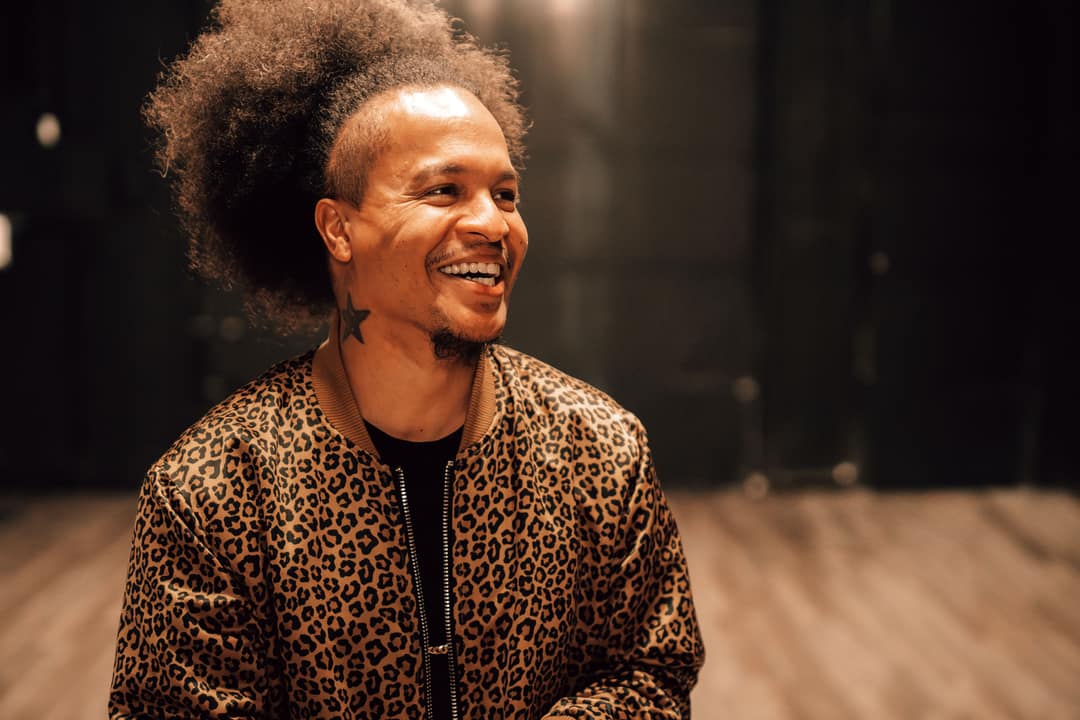
The Soldier Discovered His Song
I felt like if somebody was trying to stop or block our freedoms, then I had every right and honor and privilege of being able to fight them.
By Alyssa Shikles5 min read
Profiles
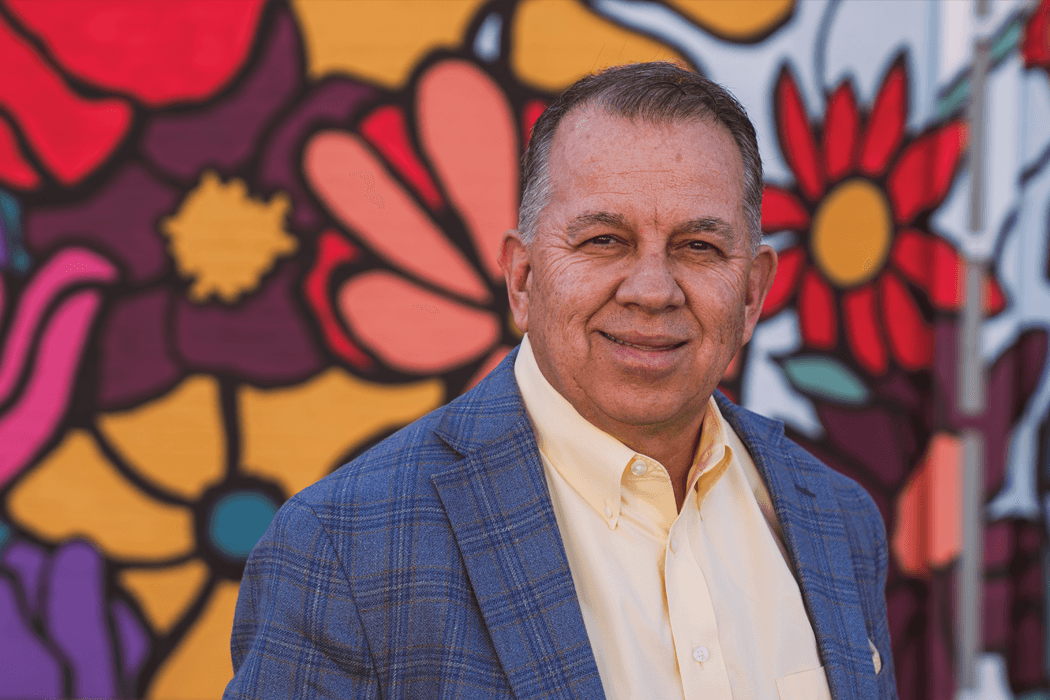
A Clear Future for All
The same values that guided Joe Aldaz through each season of his life — from small town New Mexico to military service to leading the Hispanic Chamber of Commerce — continue to determine every step he takes today.
By Alyssa Shikles5 min read
Profiles
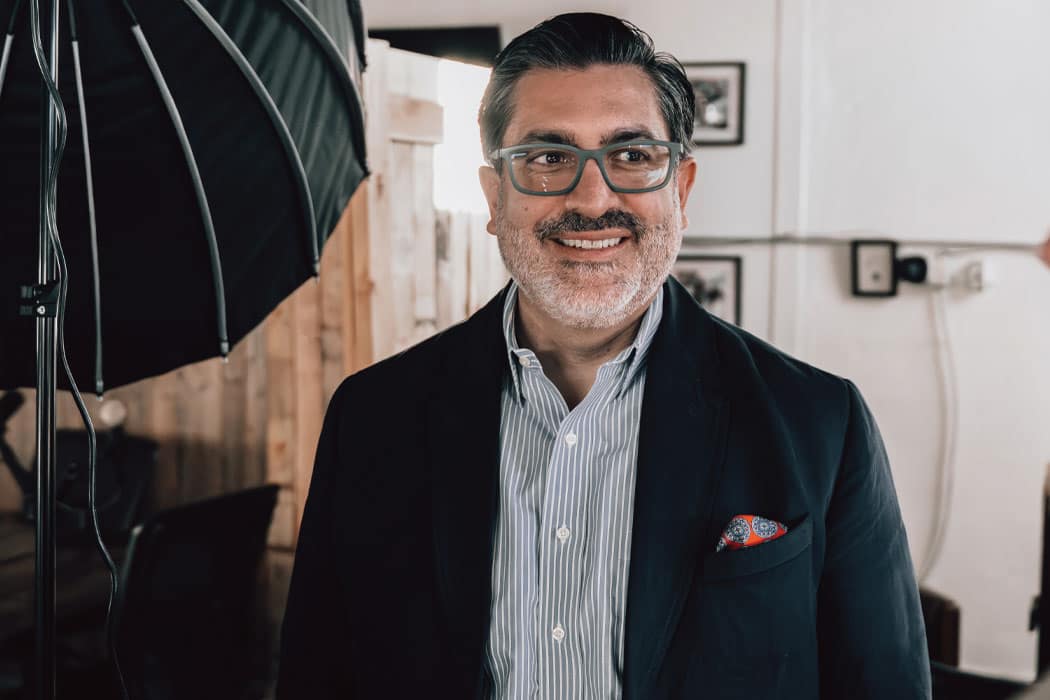
Thought Leader
Jonathan A. Liebert is pushing himself and all of us forward towards the future of AI. From tool to thought partner, human and system must advance together despite the real risks and biases.
By Melanie Sue Hicks, PhD4 min read