

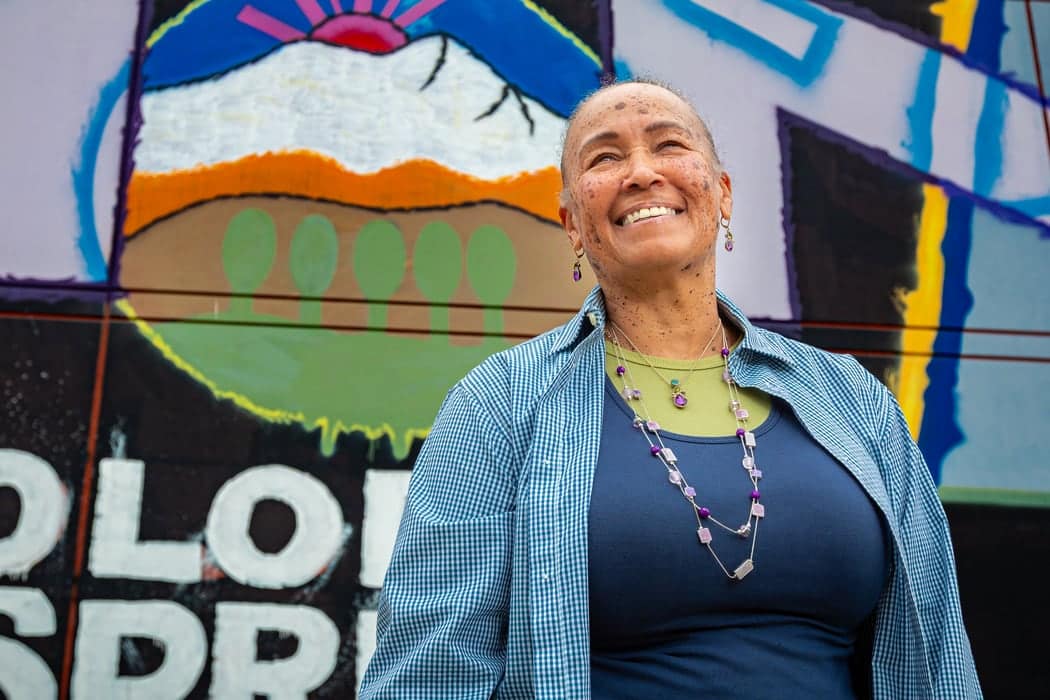
A life that prepared her for challenges helped her strive for more.
- Words
- Linda DuVal
- Photos
- Dan Kenemore
- Read
- 5 min
- From the issue
- Issue 165
B
eing the only girl and youngest of five children, Mary Rosenoff learned some valuable life lessons early on.
Recently retired as Deputy Chief of Police over the patrol bureau of the Colorado Springs Police Department, it’s not surprising that she is the first woman to achieve that position. She appears to be unstoppable.
Mary is the daughter of two military officers, and learned about duty and responsibility at a young age.
“My dad was a ‘mustang,’ going from private to major in the Army. My mother was a graduate of the Women’s Colored Air Corps (as it was called in those days), but she ended up having five kids, so she didn’t stay in long.”
Mary was born in Germany, just before her father left the Army and moved the family to Palo Alto, CA. He went back to school to get his master’s degree in history at Stanford. He taught high school where Mary graduated and her mom taught elementary school.
Her life lessons also came from her place in the family hierarchy.
“I have four older brothers,” she said. “So, from an early age, if I wanted to be heard or seen, I kind of had to assert myself, be loud, be strong and keep moving forward. Otherwise, they weren’t going to let Mary follow them around or play with them. I had to be one of the guys or be left out.”
Be loud, be strong & keep moving forward.*
Her family teased her.
“I was told I was a little girl trying to keep up with her bigger brothers, and I said, ‘No, they’re trying to keep up with me.’”
She learned to be competitive and engaged, and she also learned loyalty. Mary’s still in touch with the cohort of nine classmates who started elementary school together and stayed close until they all went to college. They meet once a year to reconnect.
“We all have different backgrounds and careers but we’re still friends. As soon as we’re all back together, there’s an instant connection,” she said.
Besides being a good student, Mary was an enthusiastic athlete. She learned to swim when she was 3 years old. In high school, she played numerous sports, including field hockey, soccer, volleyball, swimming and softball. She took advantage of the then-new Title IX program to get an athletic scholarship to University of California Berkeley, where she played softball and field hockey.
“I don’t usually tell people, but I was also a cheerleader,” she confessed. “It was hard. But in a way, it’s a service to your school. I just always wanted to be involved in everything. “
And she learned something from all of it.
“It taught me about responsibility. I mean, you have to be there, whether it’s practice or competition,” and it reinforced her skills in scheduling, priorities and decision-making.
Team sports “give you instant friends and teammates, but you still have to be responsible for yourself.”
Before she could graduate from university, she left to take care of her mother after a stroke. Eventually, Mary went back to Berkeley to finish her degree in sociology. And, after graduation, she applied at the California Highway Patrol and was accepted into their academy.
“It was really hard, a 23-week live-in situation. Very paramilitary. A class of 65 with 16 women and only 6 [women] graduated. I had a very good mentor and he told me it would test me as an individual but also as a member of a team. He knew I had an athletic background,”Mary said. “That first day, we had people yelling and screaming at us. It was a test to see what kind of shape you were in. One woman quit at noon, the first day.”
But not Mary. She made it.
“The foundation I brought from my family and athletics got me through that. I ended up working at the San Jose office, the fourth busiest in the state for traffic accidents.”
Mary worked as a highway patrol officer until she was made the public information officer for the San Jose area. She said, “I became the public face, the one who goes to schools doing communications, working with some high-level people sometimes. Now I realize it was a big deal. I needed to have my information absolutely correct.”
After six years there, she married a military officer in 1992, and moved to Colorado Springs, where he was stationed.
Without a job initially, she worked as an Olympic Training Center tour guide until being accepted into the Colorado Springs Police Department training program in 1994. One of 14 accepted into the program from 4,000 applicants, Mary started training the same year, before getting on the city’s police force.
City police operate very differently from patrol officers or public information personnel. Mary explained that, after years of working in an office or out of a patrol car, she was called to visit a business or personal home. “Someone has called you for help. You get information, but when you get there it’s maybe not what you thought it would be. The very good training at the police academy tries to recreate a scenario for your actual calls.”
She goes on, “You need to listen and control the situation at the same time. It was a big learning curve for me, to just listen without interrupting. That’s hard for me. I learned to be a more patient person.”
Mary served on patrol for 16 years, and loved it: getting to know the southeast neighborhood community and businesses. And they got to know her, inviting her in for a cup of coffee when she went to check on a family, waving at her when she was on duty.
“I always say I have three families: my immediate family, my police family and my community family that I serve,” she said.
She has always tried to instill a strong sense of compassion and empathy for victims, and also, sometimes, the perpetrator of the crime. “I hope I imprinted a strong element of humanity in each assignment where I have served. As a training officer and supervisor, I tried to remain a thoughtful and fair person. That’s really what it’s all about.”
“I always say I have three families: my immediate family,
my police family and my community family that I serve.”
Mary has shared her perspective with the people she trained. Having followed her motto of “keep going forward,” she moved steadily up in rank and responsibility until she was made deputy chief in 2022.
She takes every opportunity to talk to people about the police department and its role in the community.
Mary said, “And I want to show them I am part of the community, too. I live here. I work here. My kid goes to school here. I buy groceries. I get gas. I want people to see we have much in common but, when something happens, I’m here for you. We’re called peace officers. I hope we can do it peacefully, even if it doesn’t make everybody happy.”
Retired for mere weeks so far, Mary feels that being in law enforcement has given her “a sense of belonging to something very honorable. Not everybody’s perfect, but we try.”
Her last role of training future patrol officers was one where she could share her experience and also her life philosophy: “Knowledge is power, but shared knowledge leads to success.”
Keep reading
Profiles
Adopted Home for Life
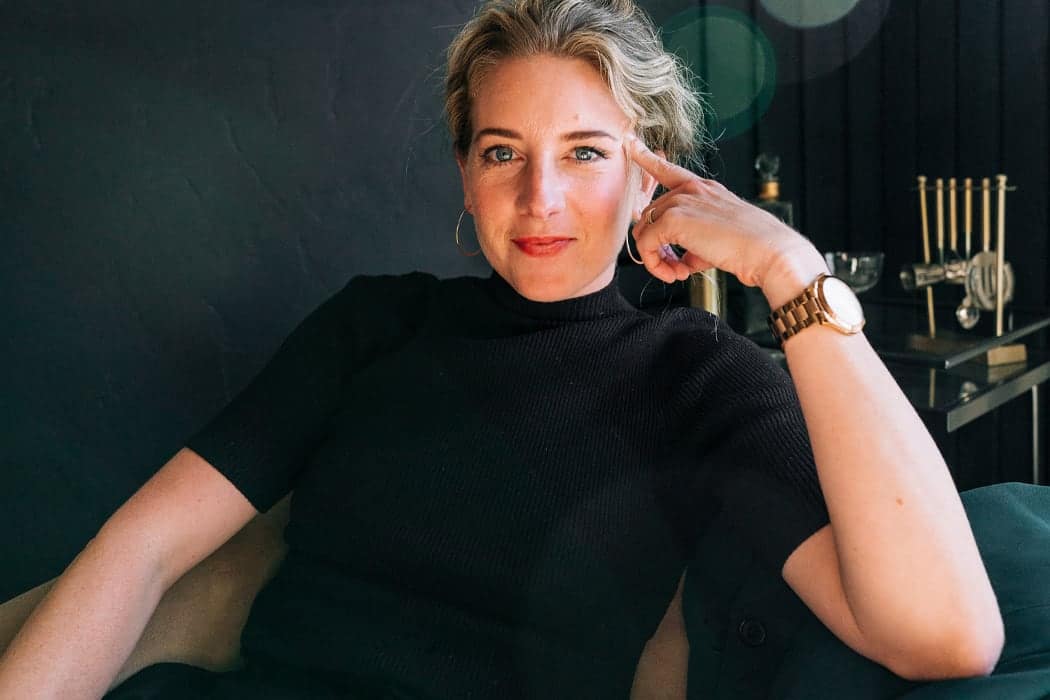
Lydia Andrews Has Designs on Colorado Springs
By Linda DuVal5 min read
Profiles
A Clear Future for All
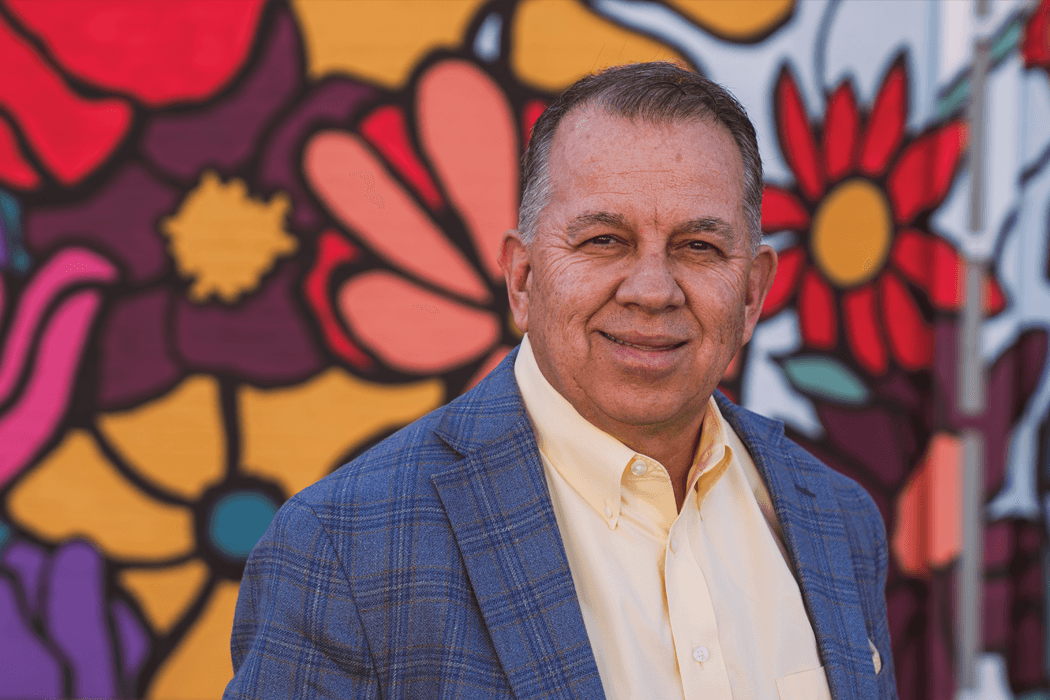
The same values that guided Joe Aldaz through each season of his life — from small town New Mexico to military service to leading the Hispanic Chamber of Commerce — continue to determine every step he takes today.
By Alyssa Shikles5 min read
Profiles
Thought Leader
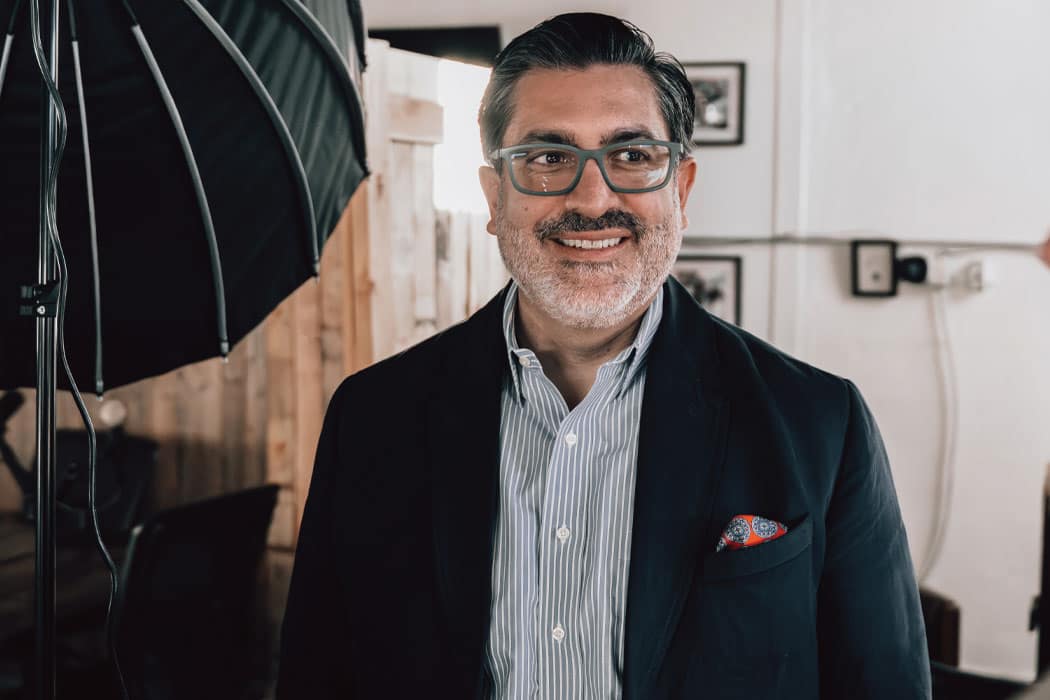
Jonathan A. Liebert is pushing himself and all of us forward towards the future of AI. From tool to thought partner, human and system must advance together despite the real risks and biases.
By Melanie Sue Hicks, PhD4 min read